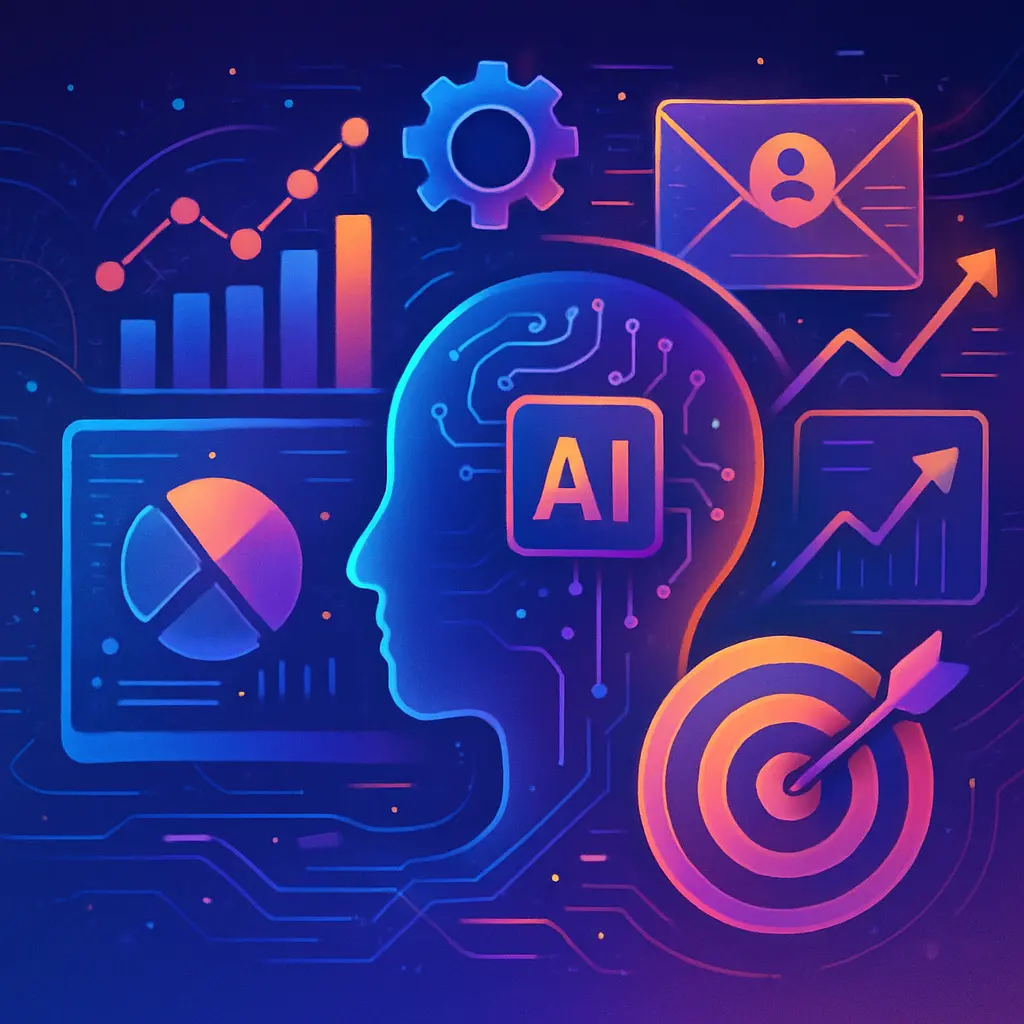
AI is transforming digital marketing with personalization, automation, and predictive analysis
Loading...
Introduction: AI’s Growing Role in Marketing
Hey there! If you’ve been keeping an eye on marketing trends, you’ve probably noticed AI popping up everywhere — and for good reason. The AI Integration in Digital Marketing isn’t just a buzzword; it’s becoming the backbone of how brands connect with audiences in 2025.
I remember a time when manual segmentation ruled, and campaigns were set up with a lot of guesswork. Now, AI is handling massive data streams, crafting personalized experiences, and even predicting what customers want before they know it themselves. It’s wild, exciting, and honestly, a little game-changing for marketers at every level.
So, let me walk you through how AI is transforming digital marketing and why it’s a must-have in your strategy toolkit.
Key AI Technologies Transforming Digital Marketing
AI isn’t a single tool, but a suite of technologies working in harmony. Here are some major players:
AI Technology
Functionality
Marketing Impact
Machine Learning (ML)
Learns from data to improve over time
Personalizes campaigns, optimizes ad spends
Natural Language Processing (NLP)
Understands and generates human language
Powers chatbots, content creation
Computer Vision
Analyzes images and videos
Enhances visual content targeting
Predictive Analytics
Uses historical data to forecast outcomes
Anticipates customer behavior for targeting
Automated Content Generation
Creates marketing copy, videos, and ads
Boosts content production speed
How AI Enhances Personalization and Customer Experience
Gone are the days of one-size-fits-all marketing. AI analyzes tons of data—from browsing histories to purchase patterns—and helps marketers deliver hyper-personalized messages.
Think about the last time you got a product recommendation that felt almost psychic. That’s AI working behind the scenes, stitching together your preferences to serve you precisely what you want.
This kind of personalization not only boosts conversion rates but also builds loyalty. Customers feel seen and understood, which matters more than ever in today’s competitive market.
Automation and Efficiency Gains with AI
I can’t overstate how much time AI saves marketers. Routine tasks like segmenting audiences, scheduling posts, and even managing bids on ads can be automated with incredible precision.
This freed-up time means marketing teams can focus on creativity and strategy — areas where human touch still reigns supreme.
Smart AI tools also continuously optimize campaigns in real time, adjusting bids, changing creatives, or shifting budgets to maximize ROI without any manual intervention. It’s efficiency on steroids!
AI-Powered Data Analysis and Predictive Insights
What really fascinates me is AI’s capability to dive deep into data lakes and churn out insights that humans might miss.
Predictive analytics help forecast trends and customer lifetime value, enabling brands to plan smarter campaigns with data-backed confidence.
For example, retailers can predict which products will fly off shelves next season or identify customers most likely to churn, giving marketers a chance to proactively engage with personalized offers.
Challenges and Ethical Considerations
But, hey, it’s not all sunshine and rainbows. With great AI power comes great responsibility.
Data privacy looms large — marketers need to balance personalization with transparency and respect for consumer data rights. Ethical AI use means avoiding bias in algorithms and ensuring decisions are fair and inclusive.
Also, AI tools require expertise to implement and interpret. Without proper oversight, businesses risk ineffective or even damaging outcomes.
Future Trends in AI and Digital Marketing
Looking ahead, the AI landscape is only getting richer.
Generative AI Content Creation: Tools that can write, design, and even produce videos will keep evolving, streamlining creative workflows.
Voice and Visual Search: AI will make these search types more intuitive, changing how customers find brands online.
AI and Augmented Reality (AR): Combining these techs will create engaging shopping experiences, blending virtual and physical worlds.
Emotion AI: Future AI may assess customer emotions via facial recognition or tone analysis, tailoring experiences on a deeper level.
The future? Well, it’s bright, if not downright futuristic.
FAQs
Q1: How does AI improve marketing personalization?
AI collects and analyses user data to deliver tailored content and product recommendations based on individual preferences and behaviours.
Q2: What are the primary AI technologies used in digital marketing?
Key AI technologies include machine learning, natural language processing, predictive analytics, computer vision, and automated content generation.
Q3: Is AI automation replacing marketers?
No, AI automates routine tasks, freeing marketers to focus on strategy and creativity. Human insight remains essential.
Q4: Are there ethical concerns with AI in marketing?
Yes, marketers must ensure data privacy, avoid biased algorithms, and use AI transparently to maintain customer trust.
Q5: What is the future of AI in digital marketing?
We can expect more advanced content creation, enhanced voice and visual search, AR integration, and emotion analysis.
Ovais Mirza, a seasoned professional blogger, delves into an intriguing blend of subjects with finesse. With a passion for gaming, he navigates virtual realms, unraveling intricacies and sharing insights. His exploration extends to the realm of hacking, where he navigates the fine line between ethical and malicious hacking, offering readers a nuanced perspective. Ovais also demystifies the realm of AI, unraveling its potential and societal impacts. Surprisingly diverse, he sheds light on car donation, intertwining technology and philanthropy. Through his articulate prose, Ovais Mirza captivates audiences, fostering an intellectual journey through gaming, hacking, AI, and charitable endeavors.
Disclaimer: The articles has been written for educational purpose only. We don’t encourage hacking or cracking. In fact we are here discussing the ways that hackers are using to hack our digital assets. If we know, what methods they are using to hack, we are in very well position to secure us. It is therefore at the end of the article we also mention the prevention measures to secure us.