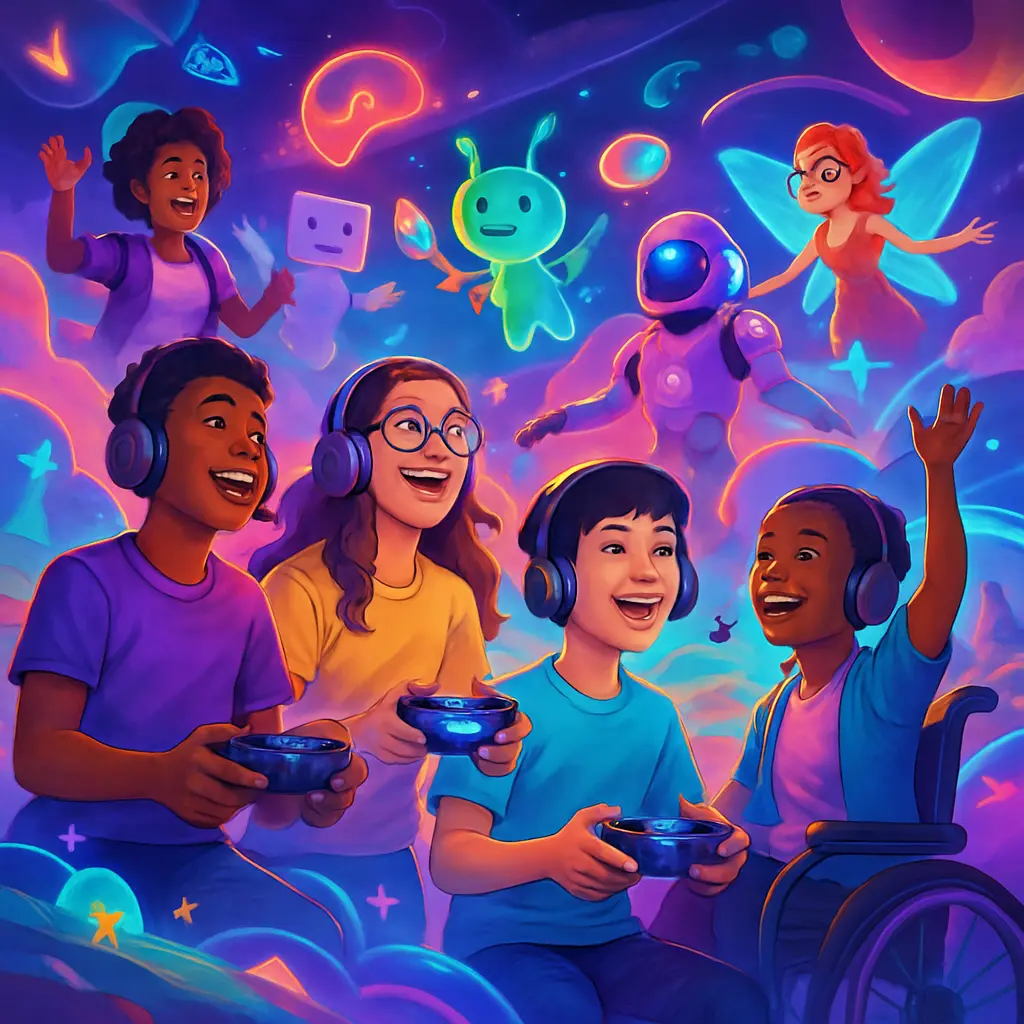
Diverse avatars and social hubs highlight authenticity and inclusivity in gaming
Loading...
Introduction
I’ve spent years surrounded by screens, games, and communities. If there’s one thing I can tell you—it’s that the gaming crowd isn’t what it used to be. The past few years have shown a massive cultural shift: Gen Z and Gen Alpha gamers are crying out for authenticity and inclusivity in gaming content. These aren’t just buzzwords anymore. They’re standards. And, honestly? I think it’s about time.
What’s Driving the New Wave of Gamer Expectations?
You may wonder, “Why now?” Truth is, younger generations grew up in a hyper-connected world. They’re plugged into social movements, have friends across oceans, and experience countless digital identities. Games aren’t just entertainment—they’re spaces to be seen, to belong, and sometimes, to challenge unfair norms.
For Gen Z and Gen Alpha, authenticity means transparency, real stories, and genuine representation. Inclusivity goes far beyond token characters; it means giving everyone space—regardless of identity, background, culture, or ability.
Defining Authenticity and Inclusivity in the Gaming World
So, what do these gamers want, really? Let’s break it down in a simple table:
Sometimes I’ll log into a game, and the first thing I do—customize my avatar. If it doesn’t let me be who I am (or want to be), it’s a letdown.
How Are Game Studios Responding?
Studios? They’re definitely listening. From indie devs to AAA giants, more teams are working with consultants, listening to gamer feedback, and amplifying underrepresented voices in their projects. Some hire diversity teams or collaborate with real communities, going beyond surface-level gestures.
In recent years, games like Minecraft and Roblox have thrived as platforms for creativity and global connection. They’re seen as social hubs, not just games. Others, like Fortnite’s events and character rotation, regularly introduce new cultures and stories—sometimes in ways that spark major headlines.
Tangible Changes: Examples & Trends
Here’s a look at noticeable trends and changes in the industry:
Trend/Change
Description
Games/Studios
Diverse Voice Acting
Casting actors from the backgrounds they represent
Apex Legends, Spider-Man: Miles Morales
Wider Customization
More detailed avatar, gender-neutral options
Sims 4, Animal Crossing
Accessibility Features
Settings for disabled players, colorblind modes
Last of Us Part II, Forza Horizon 5
Transparent Storytelling
Tackling social issues honestly
Life is Strange series
Player-Led Communities
Fan fiction, mods, custom worlds
Minecraft, Roblox
Some nights I’ll browse community creations in Roblox, and honestly—it’s mind-blowing how much heart and diversity pour into those worlds.
The Social Hub Effect
Perhaps the biggest change? Gaming is now a social hub where young people build relationships, showcase creativity, and discuss real-life issues. Discord servers buzz with activism. In-game features, like party chats or safe spaces, help communities feel more welcoming.
Digital identity matters deeply, too. Nearly half of Gen Z and Alpha feel their avatar is a truer version of themselves than their real-world look. Sometimes, I find myself wishing my digital style was possible IRL!
My Own Experience & Anecdotes
I remember jumping into an RPG that finally let me select pronouns and skin tone. Silly as it sounds, it made me feel seen. On Twitch, I’ve watched streamers with disabilities showing how games accommodate their needs. Those raw, personal moments do more for inclusivity than a hundred press releases.
I’ve also had times where game narratives felt forced or “woke” for marketing’s sake. The difference is clear—authentic stories resonate; performative ones fall flat.
Challenges Moving Forward
It’s not all smooth sailing, though. Studios struggle with balancing creative choices and community demands. Some face backlash for overcorrecting or missing the mark. Authenticity requires ongoing conversation—not just a checkbox.
Staying inclusive means not just showing diversity, but supporting it. Developers are learning this lesson, sometimes the hard way.
FAQs
1. Why do Gen Z and Gen Alpha care so much about authenticity and inclusivity?
They grew up digitally connected, valuing communities that reflect real life and diverse experiences.
2. Are studios embracing these values in all games?
Not yet universally, but it’s a growing trend—especially as feedback and data prove it boosts engagement.
3. How can I advocate for more inclusivity in my favorite games?
Engage in forums, reach out to developers, share stories online, and support creators championing representation.
4. Do older gamers agree with these shifts?
Many do, though some debate changes. The overall trend is towards broader acceptance, especially as games reach global audiences.
5. What are signs a game is genuinely authentic or inclusive?
Real representation in stories, diverse character options, accessibility features, and a safe, welcoming community.
Conclusion
Gen Z and Gen Alpha are rewriting the rulebook on gaming. They’re showing that authenticity and inclusivity aren’t extras—they’re essentials. Studios that adapt grow vibrant, loyal communities, and those that don’t risk fading into irrelevance. As someone in this digital wave, I’m excited to see where it goes next. Gaming isn’t just play. For many of us, it’s where we become ourselves.
Ovais Mirza, a seasoned professional blogger, delves into an intriguing blend of subjects with finesse. With a passion for gaming, he navigates virtual realms, unraveling intricacies and sharing insights. His exploration extends to the realm of hacking, where he navigates the fine line between ethical and malicious hacking, offering readers a nuanced perspective. Ovais also demystifies the realm of AI, unraveling its potential and societal impacts. Surprisingly diverse, he sheds light on car donation, intertwining technology and philanthropy. Through his articulate prose, Ovais Mirza captivates audiences, fostering an intellectual journey through gaming, hacking, AI, and charitable endeavors.
Disclaimer: The articles has been written for educational purpose only. We don’t encourage hacking or cracking. In fact we are here discussing the ways that hackers are using to hack our digital assets. If we know, what methods they are using to hack, we are in very well position to secure us. It is therefore at the end of the article we also mention the prevention measures to secure us.