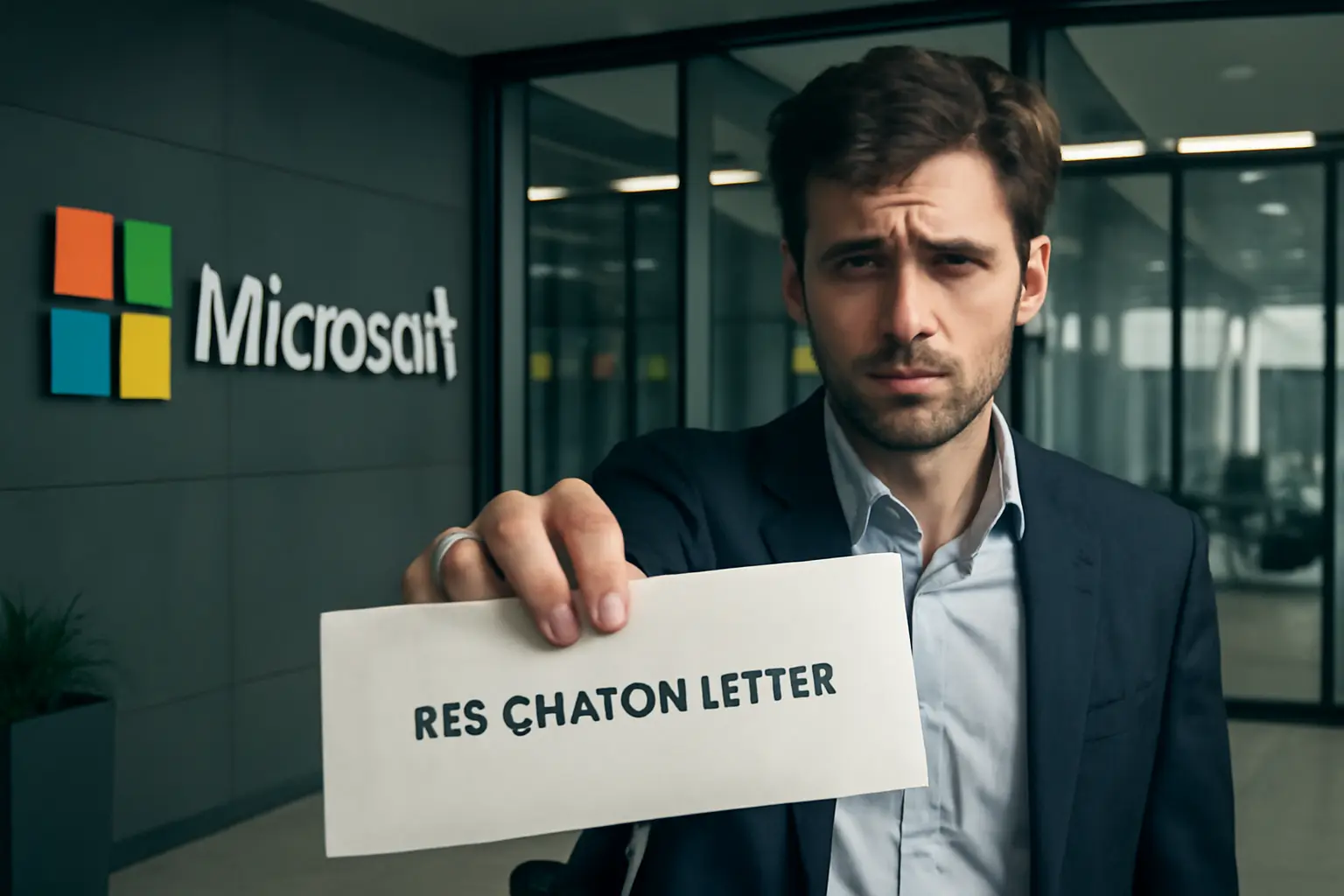
The viral story of a Microsoft employee quitting a “too chill” job in 20 days sparks global debate on work culture.
Loading...
Introduction: The Viral Microsoft Exit Story
It’s not every day you hear about someone quitting a prestigious job at Microsoft after only 20 days — and sharing the reason that the work was just “too chill.” Sounds unbelievable? Well, it sparked a viral sensation and ignited a global discussion about ambition, work culture, and what we really want from our careers.
This story comes to us from a software engineer in Singapore, whose decision to leave such a coveted role took many by surprise — especially when the reason was that the job simply wasn’t challenging enough. Let me take you through how this tale caught fire online and what lessons we can draw from it.
The Tale of a 20-Day Job
The story went viral thanks to a post on X by software engineer Manisha Goyal, who shared that her ex-colleague, an ex-Microsoft employee, resigned from a new job after just 20 days. Why? Because the work environment was “too chill,” lacking the intense challenge he thrived on. As he put it, “If I stay, I’ll stop growing. At 45, I’d enjoy this. But right now, I need the grind.”.
I found this narrative so relatable. There comes a point in life where comfort can feel like stagnation. When you’re firing on all cylinders, a “chill” job might just snuff out your drive rather than fuel it.
Why “Too Chill” Became a Red Flag
In today’s culture that often values hustle and constant progress, a lack of challenge can feel like career death. For this ex-Microsoft engineer, the “too chill” atmosphere threatened his growth trajectory and professional satisfaction.
Interestingly, the story revealed cultural aspects too. Singapore’s tech culture embraces the grind; for many, the hustle is fun and fulfilling, even if taxing. Others, however, questioned if such relentless work ethic might lead to burnout or health issues.
Personally, I think it’s a delicate balance. One person’s grind is another person’s stress nightmare.
The Online Debate: Grind vs Chill
Once the story hit the internet, it ignited a fierce debate:
Some praised the decision as smart and courageous, highlighting the importance of growth and hustle for a fulfilling career.
Others argued that steady, “chill” jobs provide stability and mental wellbeing, especially important for long-term health.
Many shared personal anecdotes about quitting jobs or choosing different career paths because of similar reasons—wanting either the grind or the chill.
Social media became a battleground of perspectives, with comments ranging from cheerleading the ex-Microsoft employee’s boldness to cautionary voices about work-life balance.
What This Means for Work Culture Today
This viral episode underscores a broader truth about work culture in 2025: there’s no one-size-fits-all. Companies and employees alike must recognize diverse needs when it comes to workplace environments.
The story also raises important questions about how organizations can provide meaningful challenges while supporting their employees’ wellbeing. I see it as a call for more open conversations around career expectations and personal priorities.
Ovais Mirza, a seasoned professional blogger, delves into an intriguing blend of subjects with finesse. With a passion for gaming, he navigates virtual realms, unraveling intricacies and sharing insights. His exploration extends to the realm of hacking, where he navigates the fine line between ethical and malicious hacking, offering readers a nuanced perspective. Ovais also demystifies the realm of AI, unraveling its potential and societal impacts. Surprisingly diverse, he sheds light on car donation, intertwining technology and philanthropy. Through his articulate prose, Ovais Mirza captivates audiences, fostering an intellectual journey through gaming, hacking, AI, and charitable endeavors.
Disclaimer: The articles has been written for educational purpose only. We don’t encourage hacking or cracking. In fact we are here discussing the ways that hackers are using to hack our digital assets. If we know, what methods they are using to hack, we are in very well position to secure us. It is therefore at the end of the article we also mention the prevention measures to secure us.