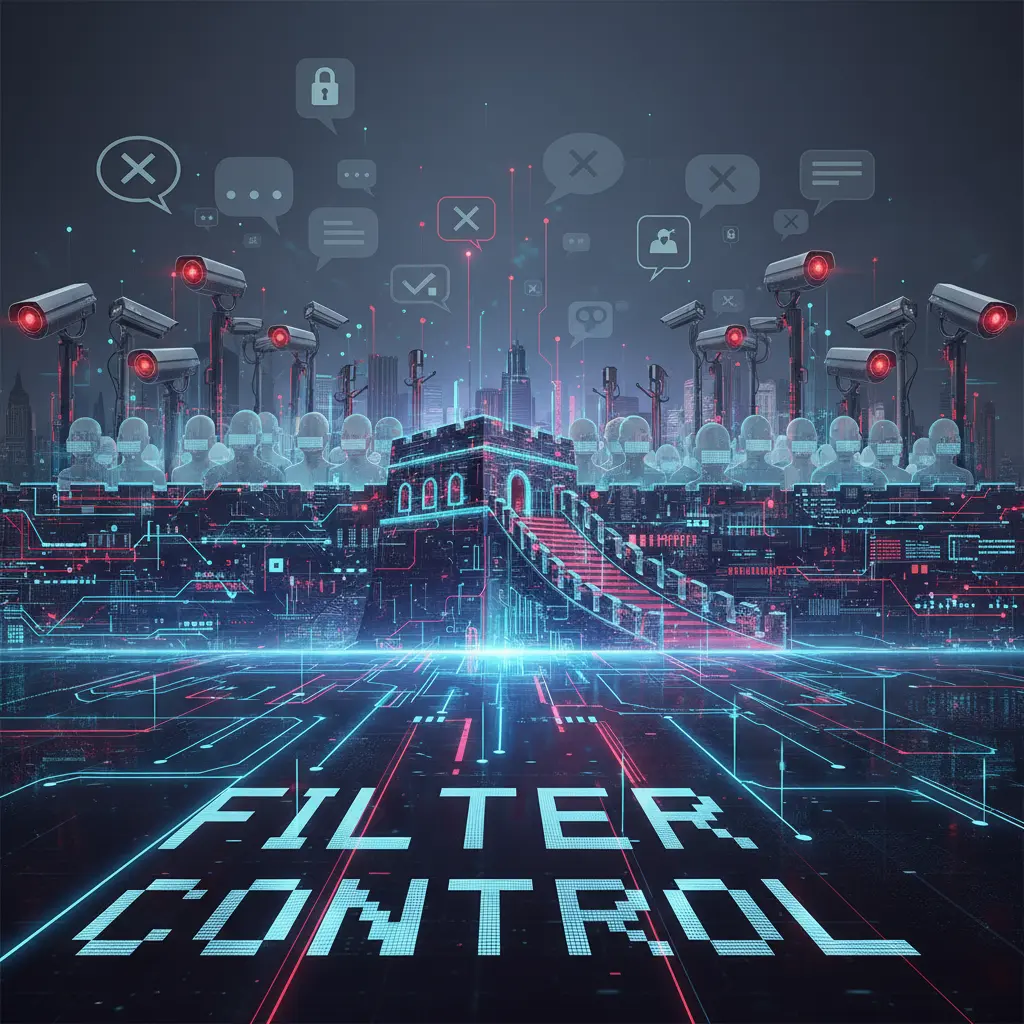
Visual representation of China’s digital crackdown showing internet censorship and monitoring
Loading...
Introduction: Setting the Stage
When I first started paying attention to China’s internet regulations, I realized the scale of control eclipses anything seen elsewhere in the world. And by 2025, the crackdown on online voices has only intensified. It’s not just about censorship anymore — it’s about an all-encompassing digital regime ensuring every word, every post, every swipe online aligns tightly with what the state deems acceptable.
The tightening leash is a complex ecosystem of laws, surveillance technologies, and penalties designed not just to control content but to monitor users relentlessly. It’s a battle, truly, for who gets to speak and who gets silenced on maybe the world’s largest online stage.
The Legal Framework Behind the Crackdown
China’s digital governance employs a layered legal structure. One of the cornerstone regulations is the Cybersecurity Law of 2017, which has undergone proposed amendments this year to intensify restrictions further. This law mandates real-name verification for internet users, forces local data storage, and empowers authorities to shut down networks that don’t comply.
More detailed provisions forbid content that “endangers national security,” “incites subversion,” or “spreads rumors.” However, these terms are broadly and vaguely defined, creating a pseudolegal smokescreen that can be used to silence dissent, restrict freedom of expression, and curb online communities perceived as threats to the party’s ideology.
Cybersecurity Law Amendments: What They Mean
This year’s proposed amendments aren’t light tweaks; they’re quite a leap into digital authoritarianism. With fines soaring from a few hundred thousand yuan to as much as 10 million yuan (about $1.4 million USD), the consequences of non-compliance are severe.
The amendment also assigns direct liability to management personnel in companies operating critical information infrastructure (CII), which now includes many online service providers. This means CEOs or managers could face penalties if their platforms allow “prohibited content” to circulate unchecked.
Furthermore, the law stresses increased surveillance, censorship enforcement, and network shutdown powers, all under the banner of “cyber sovereignty.” The government aims to be the gatekeeper of digital information flow, making clear that control over online voices is a national security imperative, not just a cultural or political preference.
The Great Firewall and Online Surveillance
Most are familiar with China’s famous Great Firewall — the technological bulwark that blocks foreign websites, news services, and social media platforms like Google, Facebook, and Twitter from Chinese users. But there’s more beneath the surface.
China’s authorities now require users to verify their identify through real-name systems linked to national ID cards and facial recognition, creating a digital footprint nearly impossible to erase or obfuscate.
Social media platforms in China are mandated to proactively monitor, delete, and report content deemed illegal or subversive, while citizens are aware their activity is under constant surveillance. This culture of self-censorship is pervasive; many avoid sensitive topics, fearing repercussions. Imagine living life with your words perpetually shadowed.
Impact on Citizens and Digital Expression
From my viewpoint, the effects on digital life in China are profound and chilling. Citizens, businesses, activists, and content creators all toe a fine line, balancing expression with the risk of severe penalties or social repercussions.
Studies and reports show that this crackdown erodes trust in online platforms and restricts creativity, dialogue, and information sharing. It stifles the very innovation that technology promises. The digital space becomes less a forum for free exchange and more a domain of monitored impressions.
Global Implications of China’s Digital Policies
It’s not just China at stake. This model of digital repression is garnishing attention worldwide. Countries looking to adopt similar cybersecurity laws may import practices that clash with human rights and internet freedom principles.
Experts warn that China’s strict controls and cyber sovereignty ideology are being used to justify an aggressive stance against online dissent not just at home but as a blueprint in global governance debates. This could fragment the internet, creating parallel digital worlds ruled by varied national restrictions.
FAQs
Q1: What is China’s Cybersecurity Law?
It’s a 2017 law regulating internet use that imposes real-name verification, data localization, censorship, surveillance, and penalties for non-compliance. Amendments in 2025 propose stricter enforcement and harsher fines.
Q2: How does the Great Firewall affect internet use in China?
It blocks many foreign websites and services, restricting user access to global platforms and controlling information flow within China.
Q3: What is the significance of the 2025 amendments?
They drastically increase fines, assign management liability, and strengthen monitoring, making China’s digital space even more tightly controlled.
Q4: How are internet users monitored in China?
Through mandatory real-name systems, facial recognition, proactive platform censorship, and government oversight, creating a heavily surveilled online environment.
Q5: What are the global consequences of China’s digital policies?
They risk influencing other countries to adopt similar restrictive laws, potentially fragmenting internet freedoms and global digital governance.
Ovais Mirza, a seasoned professional blogger, delves into an intriguing blend of subjects with finesse. With a passion for gaming, he navigates virtual realms, unraveling intricacies and sharing insights. His exploration extends to the realm of hacking, where he navigates the fine line between ethical and malicious hacking, offering readers a nuanced perspective. Ovais also demystifies the realm of AI, unraveling its potential and societal impacts. Surprisingly diverse, he sheds light on car donation, intertwining technology and philanthropy. Through his articulate prose, Ovais Mirza captivates audiences, fostering an intellectual journey through gaming, hacking, AI, and charitable endeavors.
Disclaimer: The articles has been written for educational purpose only. We don’t encourage hacking or cracking. In fact we are here discussing the ways that hackers are using to hack our digital assets. If we know, what methods they are using to hack, we are in very well position to secure us. It is therefore at the end of the article we also mention the prevention measures to secure us.