My First Chill: Realizing La Niña Is Back
I remember last winter’s nip in the air, and now, scientists warn this next one might be even colder. The buzz? La Niña is returning, an ocean-atmosphere phenomenon that’s been stirring up weather shifts worldwide. Just last week, the US National Weather Service issued a La Niña Watch, forecasting a 71% chance it will develop between October and December 2025. For me, that means I’m already thinking about layering up more and bracing for longer frost spells.
What Is La Niña? The Science at a Glance
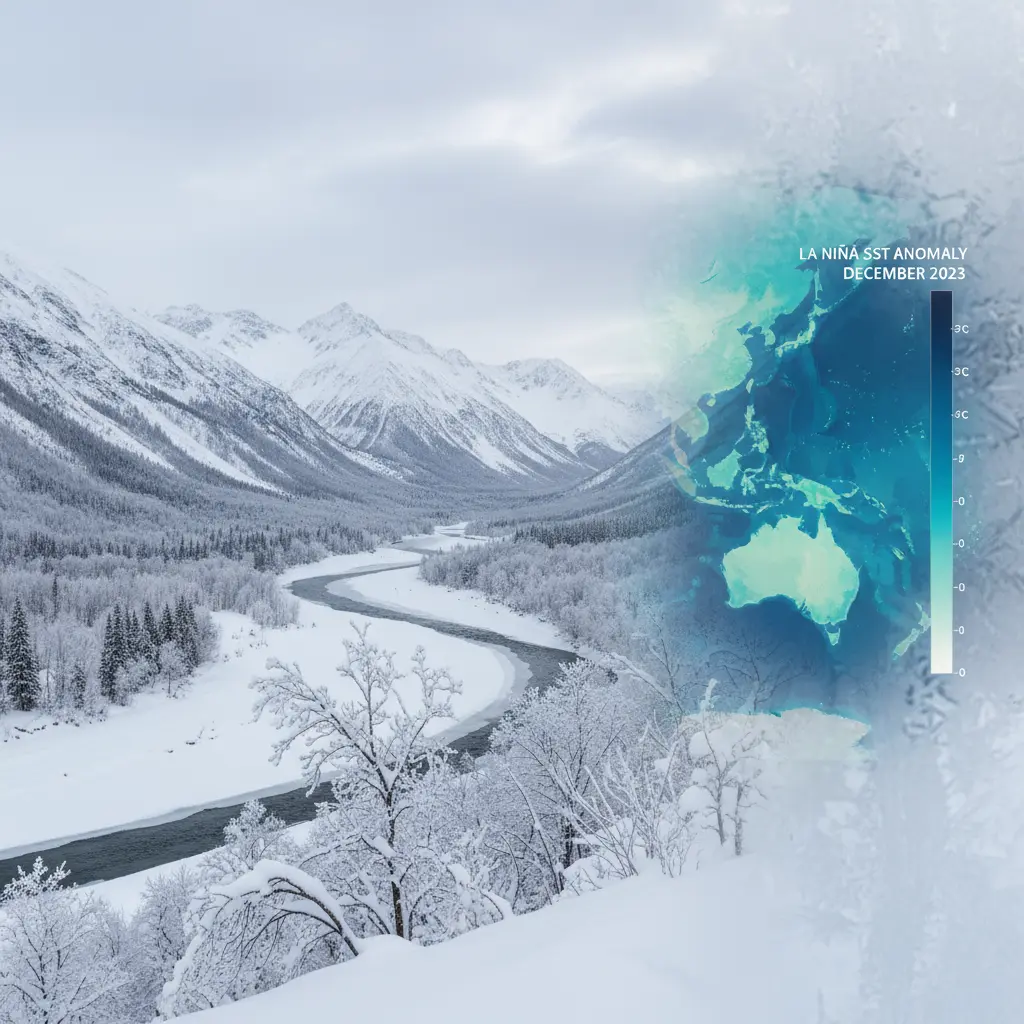
La Niña is the cool sibling of El Niño in the El Niño-Southern Oscillation (ENSO) cycle. It happens when the surface waters in the central and eastern Pacific Ocean cool below average. This cooling shifts atmospheric patterns, changing rainfall and temperature worldwide.
Simply put, when the Pacific chills out, the whole climate system reacts. La Niña often brings colder winters to parts of Asia and North America and alters monsoon dynamics. The current forecasts indicate a likely event this winter but warn it may be weak or short-lived.
Table: La Niña’s Regional Weather Effects
| Region | Expected Weather Impact | Potential Consequences |
|---|---|---|
| Northern India & Himalayas | Colder winters, heavy snowfall | Frost damage to crops, travel disruption |
| Southern US | Drier, warmer conditions | Drought risk, wildfire potential |
| Northern US, Canada | Wetter, colder winters | Increased snowstorms, cold waves |
| Central & South America | Increased rainfall, flooding | Landslides, agricultural impacts |
| Southeast Asia | Monsoon variability, cooler temps | Crop stress, water supply changes |
How La Niña Shapes the Coldest Winters
From historical records and recent studies, La Niña winters pack an extra punch. A research collaboration between IISER Mohali and Brazil’s National Institute for Space Research found La Niña events intensify cold waves in northern India by channeling icy winds from higher latitudes. For me, that explains why this coming winter could break past cold records—more intense winds, longer frost spells, and heavier Himalayan snowfall.
Globally, La Niña tends to mean stormier northern US winters, with drier southern parts. While the details may vary, the presence of La Niña is consistently linked to extremities in weather, amplifying winter’s bite.
Impact on India and Asia: Cold Waves & Snowfall
La Niña’s potential return has meteorologists across India alert and preparing. The India Meteorological Department (IMD) already projects longer, harsher cold waves and increased Himalayan snowfall for 2025-26.
For farmers, this spells challenges—extended frost periods can damage crops such as mustard, wheat, and vegetables. But on the flip side, higher snowfall replenishes glaciers, feeding rivers and reservoirs vital for water supply.
The cold might be a reality check for many urban dwellers too, who’ve grown used to milder winters. Heatwaves earlier this year make this sudden chill even more striking to brace for.
Preparing for the 2025-26 Winter Season
You’ll want to keep an eye on official weather advisories and plan accordingly:
- Stock up on warm clothing and heating resources.
- Farmers should plan frost protection strategies early.
- Urban infrastructure may require preparedness for icy roads and cold-related health concerns.
- Remote regions, especially in Himalayan belts, should ready for travel disruptions.
Local governments and health services are likely ramping up cold weather readiness as well.
FAQs
La Niña is caused by cooler-than-average sea surface temperatures in the equatorial Pacific Ocean, impacting atmospheric circulation globally.
There’s a 71% chance La Niña will develop between October and December 2025, with a 54% chance it persists through early 2026.
Northern India, the Himalayas, northern US, Canada, and parts of South America typically see the biggest impacts.
It can extend frost periods harming crops but also increases snowfall which replenishes water sources—impact varies by region.
Stay updated with forecasts, prepare heating and cold-weather gear, and farmers may adopt frost protection and water management strategies.