“Join the Nano Banana AI trend: Realistic 3D avatars created using Google Gemini.”
Loading...
What Is the “Nano Banana” Avatar Trend?
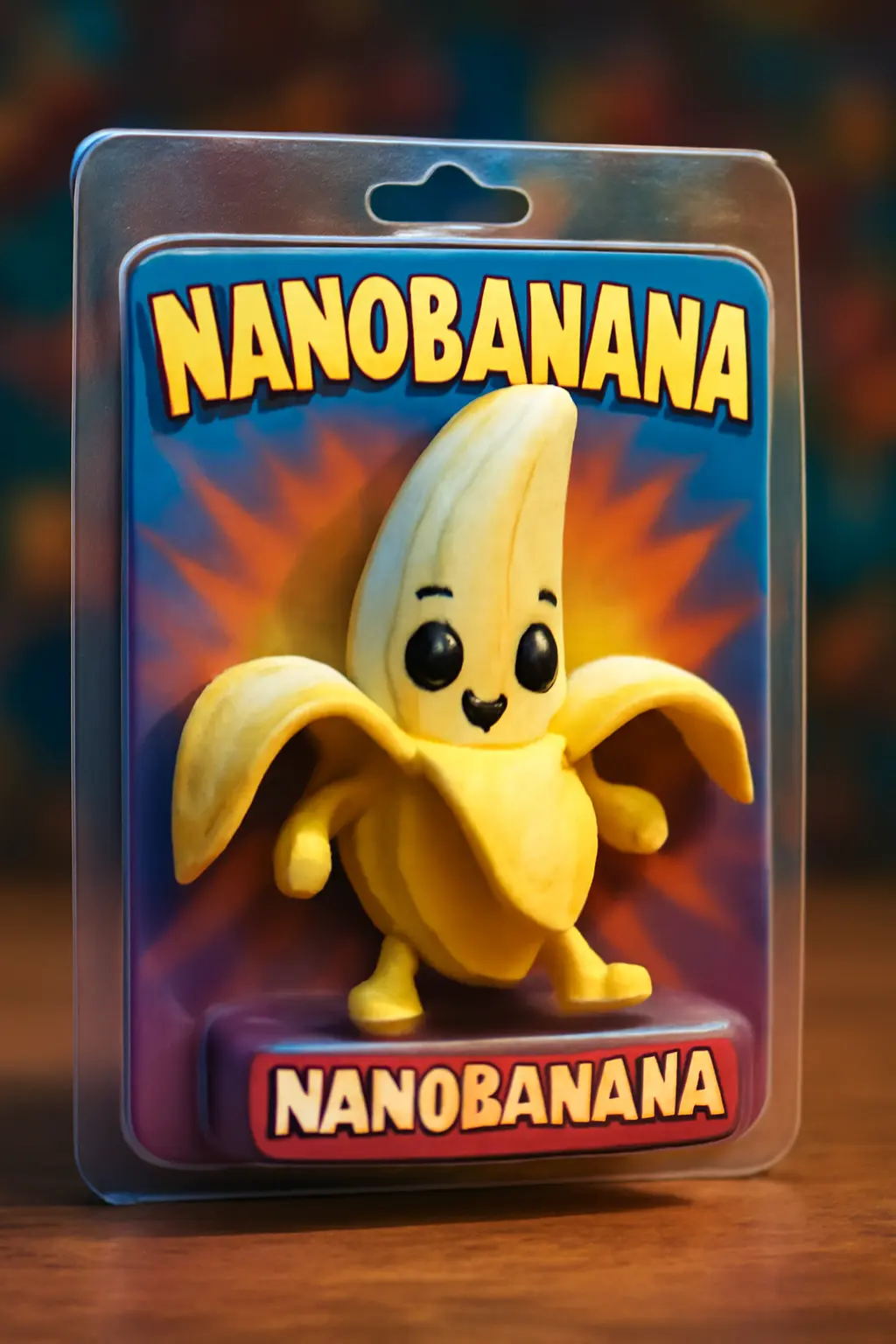
Alright, let me break it down simply. The Nano Banana Avatar Trend is all about turning ordinary photos into ultra-realistic 3D figurine avatars that look like collectible toys, thanks to Google’s innovative Gemini 2.5 Flash Image AI. Instead of editing pictures for perfection or nostalgia, folks are now turning themselves—and sometimes their pets—into tiny, shiny “action figure” versions fit for a toybox. Yup, that’s actually a thing!
These avatars aren’t cartoonish; they’re “mini-me” versions with precise features, snappy costumes, and even packaging that mimics commercial toy displays. It’s silly, playful, and weirdly satisfying.
How Did the Trend Start?
Most viral crazes have a wild origin story, and Nano Banana’s is no exception. The model popped up first on anonymous image-editing platforms, with users noticing how shockingly realistic and stable the edits were. Faces stayed consistent, designs never glitched, and backgrounds responded to natural prompts without losing detail. Rumors spread on social media like wildfire, especially after Google execs started posting banana emojis everywhere—a sly inside joke signaling the new AI model’s debut.
Google confirmed the tool as “Gemini 2.5 Flash Image.” By then, the “Nano Banana” nickname had already stuck, thanks to its chubby, toy-like output and rapid popularity. Before you could blink, everybody was making figurines of themselves—celebrities, politicians, pet lovers, and major influencers.
Why Is It So Addictive?
Let’s be honest, there’s something goofy and satisfying about seeing yourself as a mini collectible. Why? Well, the tool’s biggest edge is:
Speed and Ease: You upload a photo or type a text prompt, and the AI spits out studio-quality images in seconds—no skills or dollars needed.
Share Factor: These avatars are perfect for memes, reels, and profile pics. It taps into our meme-loving, “show off” culture.
Realism: Faces, clothes, and settings look crazy lifelike—like a toy or Funko Pop, but uniquely “you.”
Customization: Want to be styled like a 1920s flapper or a futuristic astronaut? Just type it, and it’s done!
The design flexibility and viral sharing make it almost irresistible.
My First-Hand Experience
I wasn’t sold at first. But after a friend sent his “Nano Banana” avatar—chubby cheeks, chunky shoes, and a sleek toy box—I had to try. I uploaded my own photo, typed out “make me a cyberpunk action figure in a neon-lit city,” and, wow, the results were wild.
My avatar had blue hair, glowing accessories, and even the packaging looked ready for store shelves. People went nuts in my Instagram DMs. Had no idea something so simple could spark so many conversations.
Popular Nano Banana Prompts
Curious about how folks are customizing their avatars? Here are some trending prompt ideas (try these yourself for best results!):
Prompt Idea
Description
“Action Figure in Toy Box”
Turns your photo into a boxed collectible toy, complete with packaging and graphics.
“Decade Jump”
Styles you in past eras—think 1920s flapper, 1980s rocker, or even futuristic cyberpunk.
“Famous TV Show Cast Member”
Places you inside scenes from friends, Seinfeld, or other sitcoms for that pop culture moment.
“Classic Artwork Blend”
Puts you alongside Mona Lisa or inside Van Gogh’s Starry Night, retaining your own features.
“Travel Landmark Mashup”
Edits your avatar into lifelike scenes at global hotspots like the Eiffel Tower or Taj Mahal.
Influence on Meme and Pop Culture
Nano Banana wasn’t the first AI trend (remember Studio Ghibli-style edits and Pixar mashups?), but it’s one of the quickest to jump from niche to mainstream. The meme-ready look and easy access made it explode. Politicians have posted 3D figurines to look younger or funnier. Bollywood fan clubs and tech moguls started sharing their avatars to boost online engagement.
Even pet figurines are a thing—I saw a Pug in a superhero suit making the rounds on WhatsApp last night!
How to Create Your Own Nano Banana Avatar
Let’s get practical. You’ll need these steps:
Go to Google AI Studio (Gemini app). Hit the Gemini homepage and find the Nano Banana prompt option.
Upload your photo or choose a text prompt describing your desired avatar.
Get creative! Try prompts like “cyberpunk hero at Tokyo tower” or “90s disco queen.”
The AI generates your avatar in seconds. Download and share.
Optional: Use the 3D figurine box style for that full collectible effect.
Creative Use Cases and Monetization
It went beyond meme culture fast.
Commissions: Freelancers and artists are offering avatar customizations for a fee.
Branding: Small businesses create branded figurines as marketing assets or social campaigns.
Merchandise: Print-on-demand services allow users to buy their avatars as physical collectibles.
Personal Projects: Album covers, profile pictures, and gift art—the creative use cases keep popping up.
Hyper-realistic models, fast editing, context awareness, SynthID watermarking
Frequently Asked Questions
Q1: What’s the “Nano Banana” Avatar Trend?
It’s a viral AI trend where users generate collectible 3D avatars using Google’s Gemini 2.5 Flash Image tool. They look like lifelike action figures, packaged like toys.
Q2: How can I join the trend?
Just visit Google AI Studio or the Gemini app, upload a photo or write a creative prompt, and get your avatar in seconds.
Q3: Is it free to use Nano Banana?
Yes, the avatar generator is currently free as part of Google’s Gemini suite.
Q4: Can the avatars be used for business promos?
Absolutely! Many creators and brands use them for marketing, meme campaigns, and even custom merchandise.
Q5: Is it safe and private?
Google adds SynthID watermarking—an invisible signature that signals the image is AI-generated, helping avoid misuse and keeping things transparent.
Ovais Mirza, a seasoned professional blogger, delves into an intriguing blend of subjects with finesse. With a passion for gaming, he navigates virtual realms, unraveling intricacies and sharing insights. His exploration extends to the realm of hacking, where he navigates the fine line between ethical and malicious hacking, offering readers a nuanced perspective. Ovais also demystifies the realm of AI, unraveling its potential and societal impacts. Surprisingly diverse, he sheds light on car donation, intertwining technology and philanthropy. Through his articulate prose, Ovais Mirza captivates audiences, fostering an intellectual journey through gaming, hacking, AI, and charitable endeavors.
Disclaimer: The articles has been written for educational purpose only. We don’t encourage hacking or cracking. In fact we are here discussing the ways that hackers are using to hack our digital assets. If we know, what methods they are using to hack, we are in very well position to secure us. It is therefore at the end of the article we also mention the prevention measures to secure us.