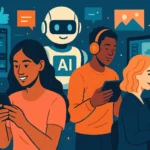
Egyptian authorities crack down on TikTok creators as part of a crackdown on “indecent” content amid rising social and legal scrutiny
Loading...
Introduction
A few weeks ago, I came across headlines about teenage TikTok creators being rounded up in Egypt. At first, I couldn’t believe that social media influencers—many just teens—would be detained for content they post online. But as I dug deeper, it became clear that Egypt has launched one of the strictest crackdowns on TikTok content creators in recent history.
This campaign combines legal, social, and cultural concerns. From accusations of violating family values to alleged money laundering, the government’s actions are affecting hundreds of content creators and shaking Egypt’s digital landscape. Let me walk you through what’s happening—and why it matters.
What Sparked the Crackdown?
The Egyptian government has expressed growing concerns over TikTok content that it believes violates “moral and societal values.” Critics say that the content creators’ videos often challenge traditional norms, especially regarding modesty, family respect, and public decency.
Legal complaints filed by groups of lawyers cited the “danger” such content allegedly poses to young people, accusing influencers of inciting disrespect and promoting inappropriate behavior. This warning appears to be part of a broader attempt to control social media platforms viewed as destabilizing cultural standards.
The Scope of the Enforcement in Egypt
In recent weeks, Egyptian authorities have detained dozens of TikTok users, primarily young women but also men, many with millions of followers. These arrests include searches, travel bans, asset seizures, and confiscation of devices, emphasizing the government’s seriousness.
Notably, arrests have targeted individuals accused of spreading “indecent content,” “misusing social media,” or allegedly laundering money through their online earnings. For example, the high-profile case of a 19-year-old influencer Suzy El Ordonia, with over 9 million followers, accused of distributing indecent material and illicit financial activities has attracted widespread attention.
Legal Framework and Charges Levied
Egypt’s laws on public decency and digital regulation remain ambiguously worded, which allows authorities broad discretion to enforce morality-based restrictions. Prosecutors review a TikTok creator’s entire content history, and even a single post deemed inappropriate could justify charges of financial crimes related to illegal earnings.
Charges include:
Violating family and societal values
Using obscene or offensive language
Misusing social media platforms
Money laundering linked to influencer income
This blurred legal landscape worries many digital rights activists who see it as a way to curb freedom of expression under the guise of morality enforcement.
Impact on TikTok Creators and the Broader Society
The crackdown risks silencing a generation of digital voices. TikTok has become a vital avenue for young Egyptians to express creativity, build careers, and share perspectives outside state-controlled media. According to government data, Egypt has over 41 million TikTok users aged 18 and above, with a strong male dominance in the audience.
Creators now face heightened censorship fears, travel restrictions, and financial insecurity. Some young women from working-class backgrounds, who found visibility and economic empowerment via TikTok, are being disproportionately targeted.
This crackdown reflects wider tensions in Egypt over balancing traditional cultural values with the rapidly changing digital expression landscape. It’s a conversation that will likely continue growing in complexity as social media further infiltrates daily life.
Anecdotes from the Ground
I spoke with a local observer who described how the fear among content creators is palpable. Many are deleting videos or avoiding controversial topics—not because they want to, but because the government’s message is clear: step out of line, and you could face harsh consequences.
One TikTok creator known as Um Mekka shared that the arrests felt like a wake-up call, underscoring how quickly digital stardom can come with unexpected legal risks. Because social media has been one of the few platforms where youth can voice their opinions and aspirations, these actions have created a chilling effect on Egypt’s online culture.
Comparison: Egypt’s Approach vs. Other Countries
Egypt is not alone in clamping down on social media content creators. Countries like Nigeria, Kenya, and several Gulf states have also enacted or proposed stricter regulations targeting online content deemed offensive or harmful.
Yet Egypt’s crackdown stands out because of its severity—detaining popular creators, deploying police forces to homes, and leveraging anti-money laundering laws in novel ways to curb digital expression. This intensity reflects a broader state strategy to control not just political dissent but cultural narratives surfacing among younger generations.
Aspect
Egypt
Other Countries
Enforcement Style
Detentions, travel bans, asset seizure
Mostly fines, content takedowns
Target Demographic
Young influencers, women, Gen Z
Wider online creators, influencers
Legal Grounds
Indecency, financial crime allegations
Vague content guidelines, hate speech laws
Media Freedom Impact
Significant chilling effect
Varied; some political suppression
FAQs
1. Why are TikTok creators being arrested in Egypt?
Authorities accuse creators of distributing indecent material, violating family values, and engaging in unlawful financial activities tied to their online presence.
2. How many TikTok users are there in Egypt?
Egypt reportedly has over 41 million adult TikTok users, making it one of the platform’s largest markets regionally.
3. Is the crackdown targeting specific demographics?
Yes, many young women from working-class backgrounds have been disproportionately affected, alongside some popular male creators.
4. What legal charges are TikTok creators facing in Egypt?
Charges include public indecency, misuse of social media, violation of public morals, and money laundering related to influencer earnings.
5. How is this crackdown affecting free expression?
It has created a chilling effect where content creators self-censor, delete videos, and avoid topics that could provoke government action.
Ovais Mirza, a seasoned professional blogger, delves into an intriguing blend of subjects with finesse. With a passion for gaming, he navigates virtual realms, unraveling intricacies and sharing insights. His exploration extends to the realm of hacking, where he navigates the fine line between ethical and malicious hacking, offering readers a nuanced perspective. Ovais also demystifies the realm of AI, unraveling its potential and societal impacts. Surprisingly diverse, he sheds light on car donation, intertwining technology and philanthropy. Through his articulate prose, Ovais Mirza captivates audiences, fostering an intellectual journey through gaming, hacking, AI, and charitable endeavors.
Disclaimer: The articles has been written for educational purpose only. We don’t encourage hacking or cracking. In fact we are here discussing the ways that hackers are using to hack our digital assets. If we know, what methods they are using to hack, we are in very well position to secure us. It is therefore at the end of the article we also mention the prevention measures to secure us.