Introduction
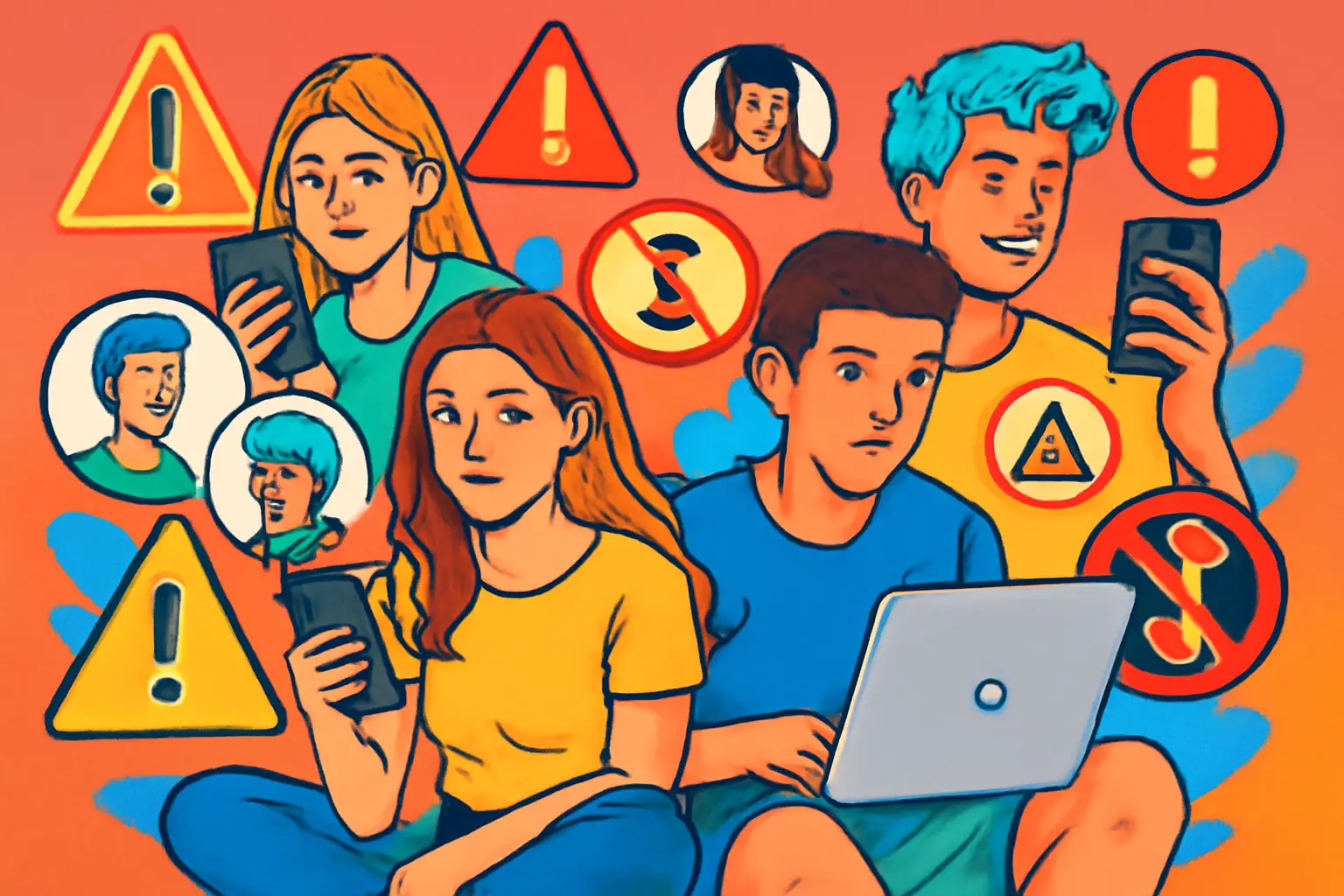
I have to admit, the rise of financial influencers—or “finfluencers”—has been both eye-opening and a bit alarming in recent years. Everywhere on social media, young Aussies are following these charismatic digital gurus eager for advice on stocks, crypto, or side hustles. But the catch? Not all finfluencers are created equal.
Especially here in Australia, regulators are sounding loud alarms. It turns out many finfluencers are providing financial advice without proper licenses—and pushing high-risk, complex products that could leave followers in the lurch. If you’ve been turning to social media for financial tips, you’ll want to read on.
Who Are “Finfluencers”?
Simply put, finfluencers are social media personalities who offer financial tips, investment advice, or money management strategies to their followers. They’re on platforms like TikTok, Instagram, YouTube, and sometimes even closed online forums.
What makes them compelling is their relatable style—often young, casual, and approachable, unlike traditional financial advisors. But this also means the lines between education, opinion, and regulated financial advice can get blurred quickly.
The Rising Popularity of Finfluencers in Australia
It’s no surprise that Australians, especially the younger crowd, have flocked towards digital financial content. Research shows that 41% of young Australians seek financial information from online sources like finfluencers. This stems from frustrations with conventional advice which can be expensive, inaccessible, or simply outdated.
Moreover, it’s easier to digest bite-sized, informal videos or posts than heavy financial jargon. This appetite for quick financial knowledge is driving the explosive growth of finfluencers in 2025, making them a powerful force in shaping money habits across the country.
Risks and Regulatory Concerns
Unfortunately, the appeal of finfluencers also brings risks—primarily when they are unlicensed and unlawfully spread misleading or unauthorized financial advice. ASIC (Australian Securities and Investments Commission) has flagged 18 finfluencers suspected of promoting risky products like contracts for difference (CFDs) and OTC derivatives without the requisite licensing.
Here are some red flags to watch for:
- Claims featuring flashy lifestyles with luxury cars and designer goods meant to entice
- Invitations to closed online groups to reveal “secret strategies” or “copy trades”
- Promises of quick wealth or guaranteed returns
- Advice on complex, high-risk products without clear warnings
ASIC notes these practices put consumers at real financial harm. Legally, offering financial advice in Australia requires proper licensing or exemption, which these influencers often lack.
Aussie Regulatory Response: ASIC Steps In
ASIC isn’t taking this lightly. In 2025, it ramped up enforcement by issuing warning notices to unlicensed finfluencers, collaborating internationally to crack down on unlawful financial advice, and urging social media platforms to monitor misleading content more aggressively.
Their warnings are clear: if you give out financial advice, you need to comply with Australian financial laws. Those who don’t face fines, bans, or even jail time. For consumers, ASIC recommends checking finfluencers’ credentials using the ASIC professional registers before trusting their advice.
How to Identify and Protect Yourself from Risky Finfluencers
Navigating the finfluencer craze safely means staying informed and cautious. Here’s what I’d personally watch out for:
| Warning Sign | Why It Matters | What To Do |
|---|---|---|
| Promises of guaranteed returns | No investment is risk-free or guaranteed | Be skeptical; ask for licensed advice |
| Flashy lifestyle imagery | Can be a marketing tactic to lure investors | Focus on advice content, not lifestyle posts |
| Lack of clear disclaimers | Omits legal and risk information | Look for transparent, easy-to-understand disclaimers |
| Unlicensed financial advice | Illegal and risky; no accountability | Verify licenses via ASIC’s register |
| Pressure to join private groups | Limits transparency, potential for scams | Avoid closed communities unless verified |
Always cross-check any financial advice you receive against official sources or licensed financial advisers.
Anecdotes and Real-Life Cases
A friend shared how she almost joined a private Telegram group led by a popular Aussie finfluencer claiming to teach quick crypto wins. It sounded tempting but after a little digging, she found the influencer wasn’t licensed and had been warned by ASIC. That was a wake-up call.
Similarly, ASIC’s crackdown last year saw several finfluencers either obtain licenses or tone down their advice to avoid penalties. Natasha Etschmann, a notable influencer, got licensed just after ASIC’s 2022 warnings, showing there’s a better way to balance credibility with influence.
FAQs
A finfluencer is a social media personality who provides financial advice or tips, often in an informal style, through platforms such as TikTok, Instagram, or YouTube.
Yes, financial advice in Australia is regulated by ASIC. Anyone providing financial advice must hold an Australian Financial Services license or be authorized, or they risk legal action.
Some finfluencers offer unlicensed, unauthorized advice, promote high-risk investment products, and use misleading marketing tactics, potentially causing financial harm to followers.
Use ASIC’s professional registers search tool to verify if the influencer is licensed or an authorized representative before trusting their financial advice.
Report unlicensed or suspicious financial advice to ASIC via their How to Report Misconduct webpage or by calling 1300 300 630.