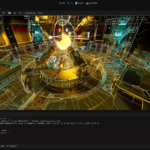
PUBG 2.0 teaser showcasing improved visuals and gameplay mechanics powered by Unreal Engine 5.
Loading...
Introduction
I can’t tell you how hyped many of us in the community are about PUBG 2.0 and the Unreal Engine 5 teasers that have been rolling out in 2025. As a longtime PUBG fan and occasional player, I’ve followed every update from Krafton closely, and this year’s roadmap truly promises a leap forward—not just in visuals but in gameplay experience and community freedom.
If you’ve been wondering how PUBG’s evolution will shape competitive gaming and player creativity, this article’s your go-to. We’ll break down what PUBG 2.0 means, how UE5 boosts the game, and why UGC is likely to change how we all play and interact.
What is PUBG 2.0?
PUBG 2.0 isn’t just an upgrade—it’s a vision to evolve PUBG from a simple battle royale into a robust gameplay platform. According to Krafton’s 2025 earnings call, the team aims to make PUBG “a franchise cherished across generations.” Rather than a sequel per se, it’s a major evolution involving new game modes, enhanced systems, and larger community involvement ([Krafton 1Q25 Earnings]).
The idea? More diverse modes beyond the classic battle royale, integrating new gameplay styles, and fostering creativity through player-driven content.
The Impact of Unreal Engine 5 on PUBG
Switching to Unreal Engine 5 is a massive technical milestone. I’ve seen leaked footage and official previews, and the jump in graphics fidelity is insane. Textures pop, lighting gets dramatically better, and environments feel alive with destructible terrain coming to maps like Taego, Miramar, and Erangel ([NotebookCheck], [TechNetBooks]).
Players on next-gen consoles like PS5 and Xbox Series X/S will enjoy faster load times, smoother frames, and richer atmospheres. It sets a fresh foundation for content creators to build more immersive experiences.
Preview of New Features and Gameplay Diversification
PUBG 2.0 isn’t all about looks. Significant gameplay updates are brewing:
Destructible Terrain: Tactical gameplay gains depth by allowing players to break cover or create improvised shields during fire fights ([TechNetBooks]).
Gunplay Overhaul: The entire weapon balance and mechanics are being redesigned for more dynamic, skill-based combat, including changes that may benefit ranged and close-quarter players differently ([YouTube PUBG Update]).
Improved AI Bots: Bots will be smarter and behave more like real players, making solo play more challenging and strategic ([YouTube PUBG Update]).
New Game Modes: There’s a roguelike mode dubbed “Project Cyclops” and a customizable mode set to empower players with creation tools. This aligns with the broader platform approach.
Collaborations: Expect collaborations with brands like Bugatti and Porsche as teased in the roadmap discussions ([YouTube PUBG Update]).
User-Generated Content (UGC) and Customization
One of the most exciting parts? UGC integration. PUBG plans to allow players to create and share their own worlds, modes, and rules, beginning with alpha releases mid-2025 ([NotebookCheck], [BleedingCool]).
Think of it as a Fortnite-style creative space where players don’t just visit the battleground—they build it. Custom Match modes will kickstart this, paving the way for unique maps, mechanics, and social experiences shaped by the player community.
The UGC push is a clear strategy to deepen player investment and reuse of the game platform.
PUBG 2.0 Roadmap: What to Expect in 2025
Feature
Timeline
Details
Unreal Engine 5 Transition
Late 2025+
Pre-production ongoing; boosts quality on consoles; graphical and performance upgrades
Destructible Terrain
Mid 2025
Reactive environments on core maps, improving tactical gameplay
Gunplay Overhaul
Rolling Updates
Reevaluation of aim punch, weapon balance, and skills-based systems
UGC Launch (Alpha)
Mid to Late 2025
Early UGC tools releasing for Custom Match modes
New Game Modes
2025 onwards
Roguelike mode “Project Cyclops,” collaborations, and gameplay diversification
Next-gen Console Optimization
Late 2025
PS5 and Xbox Series X/S enhancements
This roadmap paints a picture of a revitalized PUBG that adapts to today’s competitive and creative gaming landscape ([KRAFTON 2025 Roadmap]).
Comparison Table: PUBG Current vs PUBG 2.0
Aspect
PUBG Today
PUBG 2.0 Unreal Engine 5 Era
Graphics Engine
Unreal Engine 4
Unreal Engine 5
Game Modes
Classic BR + Limited Modes
Expanded modes, UGC support, new roguelike
Performance
Optimized for current-gen
Enhanced for next-gen consoles and hardware
Environment
Static, limited destructibles
Dynamic with destructible terrain
Player Customization
Official skins and emotes
Player-created maps, modes, and rules (UGC)
Bot Behavior
Basic AI
Improved AI simulating real player behavior
FAQs
1. When will PUBG fully transition to Unreal Engine 5?
Full transition is targeted beyond late 2025, with pre-production and testing ongoing now ([NotebookCheck]).
2. What gameplay changes come with PUBG 2.0?
Expect destructible environments, gunplay overhaul, smarter bots, new modes including roguelike, and enhanced customization through UGC ([YouTube PUBG Update]).
3. What is the User Generated Content feature in PUBG?
UGC will let players craft custom maps, modes, and gameplay rules, starting with an alpha launch in Custom Match modes during 2025 ([BleedingCool]).
4. Will PUBG 2.0 be available on all platforms?
The update is planned for PC, consoles including PS5 and Xbox Series X/S, and mobile, with optimizations tailored per platform ([KRAFTON 2025 Roadmap]).
5. How does PUBG 2.0 compare to Fortnite’s approach?
PUBG 2.0 seems inspired by Fortnite’s platform model, aiming to blend battle royale with creative modes and social spaces, bolstering long-term engagement ([Krafton Earnings Call]).
Ovais Mirza, a seasoned professional blogger, delves into an intriguing blend of subjects with finesse. With a passion for gaming, he navigates virtual realms, unraveling intricacies and sharing insights. His exploration extends to the realm of hacking, where he navigates the fine line between ethical and malicious hacking, offering readers a nuanced perspective. Ovais also demystifies the realm of AI, unraveling its potential and societal impacts. Surprisingly diverse, he sheds light on car donation, intertwining technology and philanthropy. Through his articulate prose, Ovais Mirza captivates audiences, fostering an intellectual journey through gaming, hacking, AI, and charitable endeavors.
Disclaimer: The articles has been written for educational purpose only. We don’t encourage hacking or cracking. In fact we are here discussing the ways that hackers are using to hack our digital assets. If we know, what methods they are using to hack, we are in very well position to secure us. It is therefore at the end of the article we also mention the prevention measures to secure us.